
CNCA2026
Últimas Noticias
AVISO
Puede enviar su video al siguiente correo. Más detalles en “Autores”.
cnca2026mty@gmail.com
AVISO
Extensión de la fecha para envío de trabajos
Nueva fecha es el 5 de julio.
AVISO
Apertura de recepción
Apertura de la recepción de trabajos será el 16 de marzo 2026
Fechas Importantes
| Evento | Fecha Límite |
|---|---|
| Apertura del papercept | 16 de marzo |
| Fecha límite para envío de artículos | |
| Fecha límite para envío de sesiones invitadas | |
| Notificación de aceptación | A partir del 20 de agosto |
| Envío de versión final | 6 de septiembre |
| Registro temprano | 6 de septiembre |
| Congreso | 7-9 de octubre |
Invitación
El Congreso Nacional de Control Automático es el evento más importante en el campo del control automático en México, y estamos emocionados de reunir a expertos y profesionales del país para discutir los últimos avances y tendencias en el campo. El Congreso Nacional de Control Automático 2026 se llevará a cabo en la ciudad de Monterrey, Nuevo León, México, del 6 al 9 de octubre en las instalaciones de la Facultad de Ingeniería Mecánica y Eléctrica de la Universidad Autónoma de Nuevo León.
Durante el congreso, tendremos la oportunidad de escuchar presentaciones de todos los participantes, así como 5 conferencias plenarias impartidas por reconocidos expertos en el campo. Además, los invitamos a unirse a nosotros en los eventos sociales que hemos organizado para que puedan conocer y conectar con otros asistentes: no se pierdan la recepción de bienvenida, donde podrán disfrutar de un ambiente relajado y conocer a otros asistentes. También los invitamos a la cena de gala, que será un momento especial para celebrar la conclusión del congreso y fortalecer las relaciones establecidas durante el evento.
Además de disfrutar de un programa académico de alta calidad, los invitamos a aprovechar su estancia en Monterrey para explorar los atractivos que la ciudad ofrece, como el emblemático Paseo Santa Lucía, el Parque Fundidora y la impresionante vista de nuestras montañas desde el Chipinque. Monterrey no solo es un polo industrial y tecnológico de vanguardia, sino también una ciudad que los recibirá con su calidez característica y una oferta gastronómica regional.
Esperamos que puedan unirse a nosotros en este importante evento y compartir sus conocimientos y experiencias con la comunidad de control automático del país. ¡Nos vemos en Monterrey!
Atentamente,
Efraín Alcorta García
Presidente del Comité Organizador del Congreso Nacional de Control Automático 2026
Instrucciones para Autores
Todo lo que necesita para preparar y enviar tu trabajo al CNCA 2026.
FIME
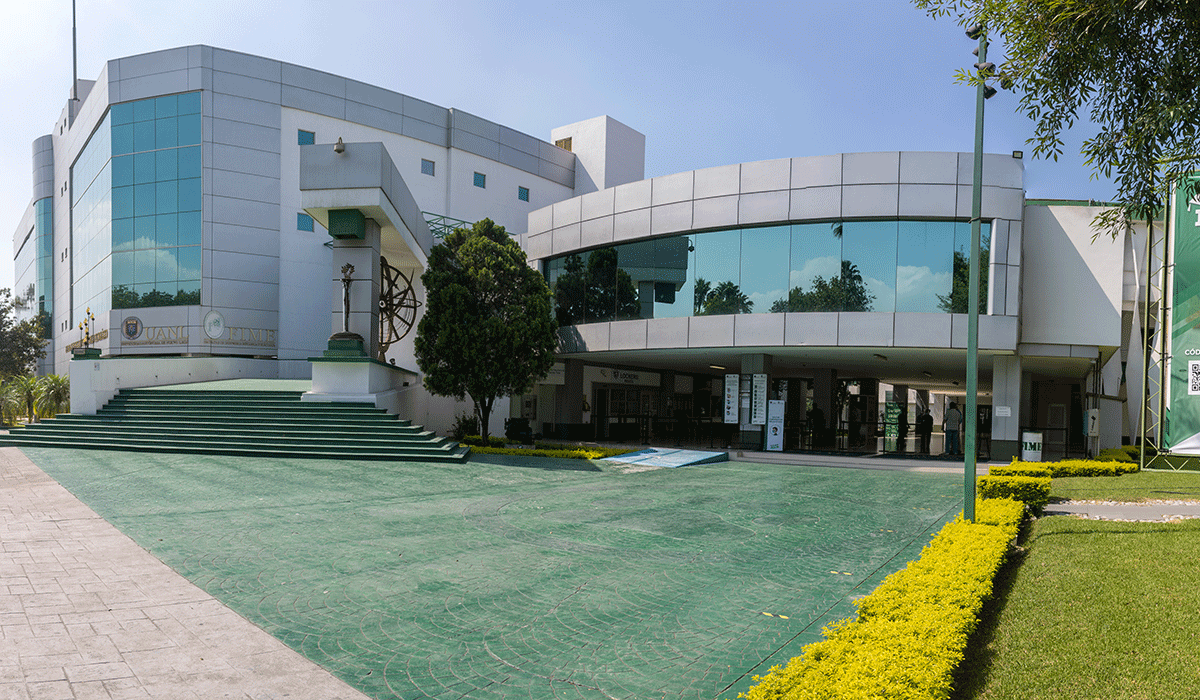
La sede del Congreso Nacional de Control Automático 2026 será la Facultad de Ingeniería Mecánica y Eléctrica (FIME) de la Universidad Autónoma de Nuevo León, ubicada en el emblemático Campus de Ciudad Universitaria. La FIME ofrecerá un entorno académico y tecnológico ideal para el intercambio de conocimiento, la colaboración científica y la convivencia entre especialistas, investigadores y estudiantes del área de control automático.
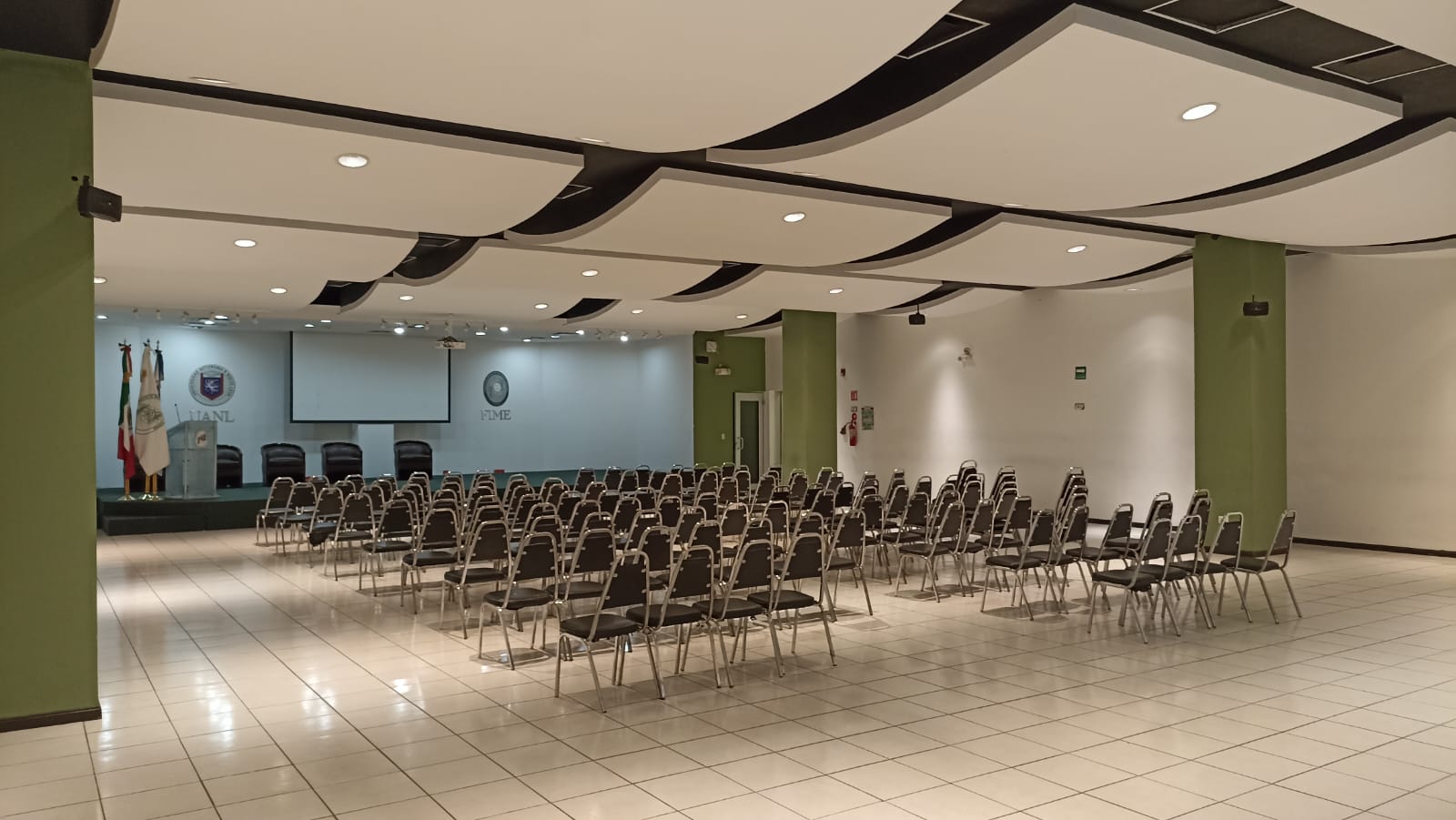
La ceremonia de inauguración y las conferencias plenarias del Congreso Nacional de Control Automático 2026 se llevarán a cabo en la Sala Polivalente del Centro de Innovación, Investigación y Desarrollo en Ingeniería y Tecnología, un espacio diseñado para la realización de eventos académicos y científicos de alto nivel. El acceso a la sala se realiza a través de las escaleras ubicadas en la entrada principal del edificio.
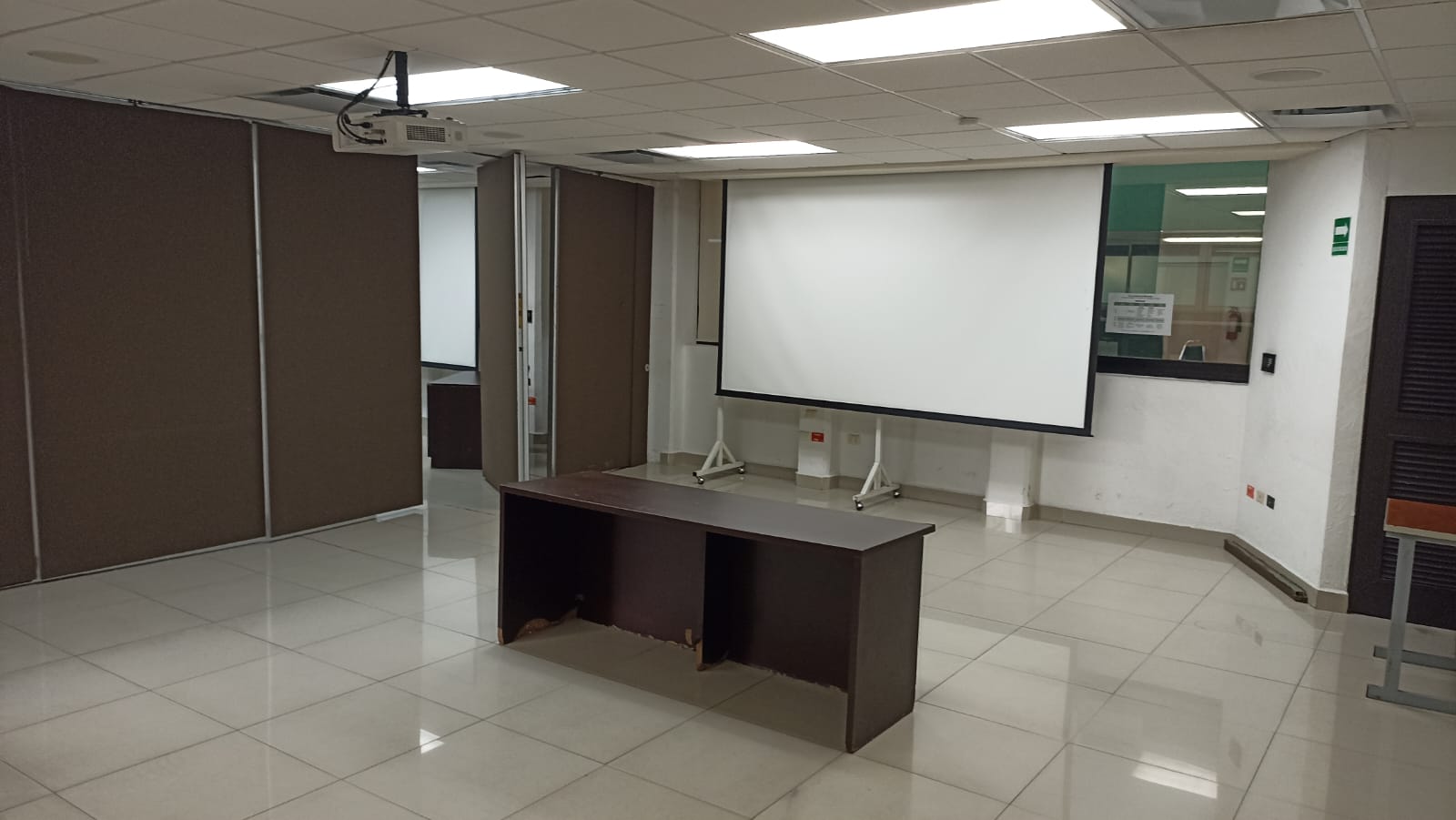
Las tres salas destinadas a las sesiones de trabajo cuentan con una distribución y equipamiento similares al espacio mostrado a continuación, ofreciendo un entorno adecuado para la presentación de ponencias, el intercambio académico y la discusión técnica entre los participantes del Congreso Nacional de Control Automático 2026.
Comité Organizador
Presidente del congreso
Dr. Efraín Alcorta García
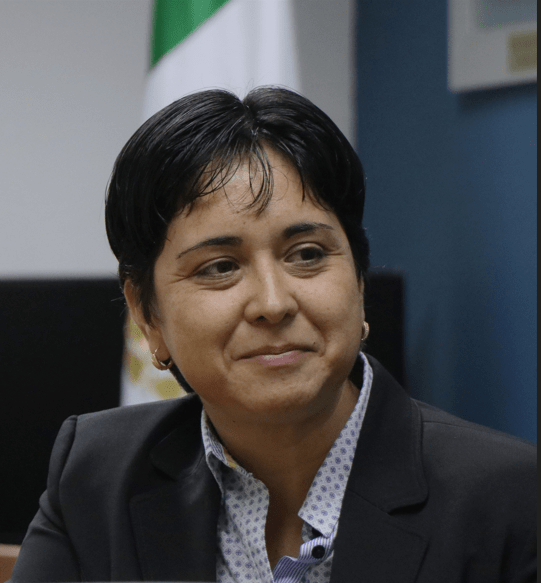
Presidente del Comité Programa
Dra. Alma Y. Alanís García
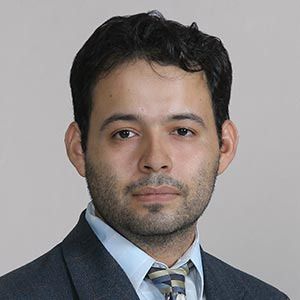
Vicepresidente del congreso
Dr. Miguel Ángel Platas Garza
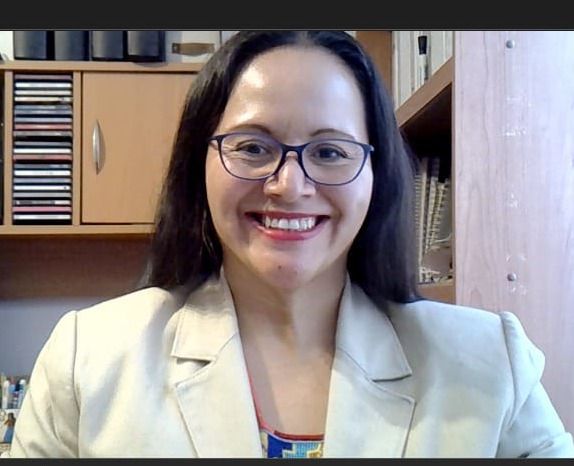
Comité de arreglos locales
Dra. Griselda Quiroz Compean
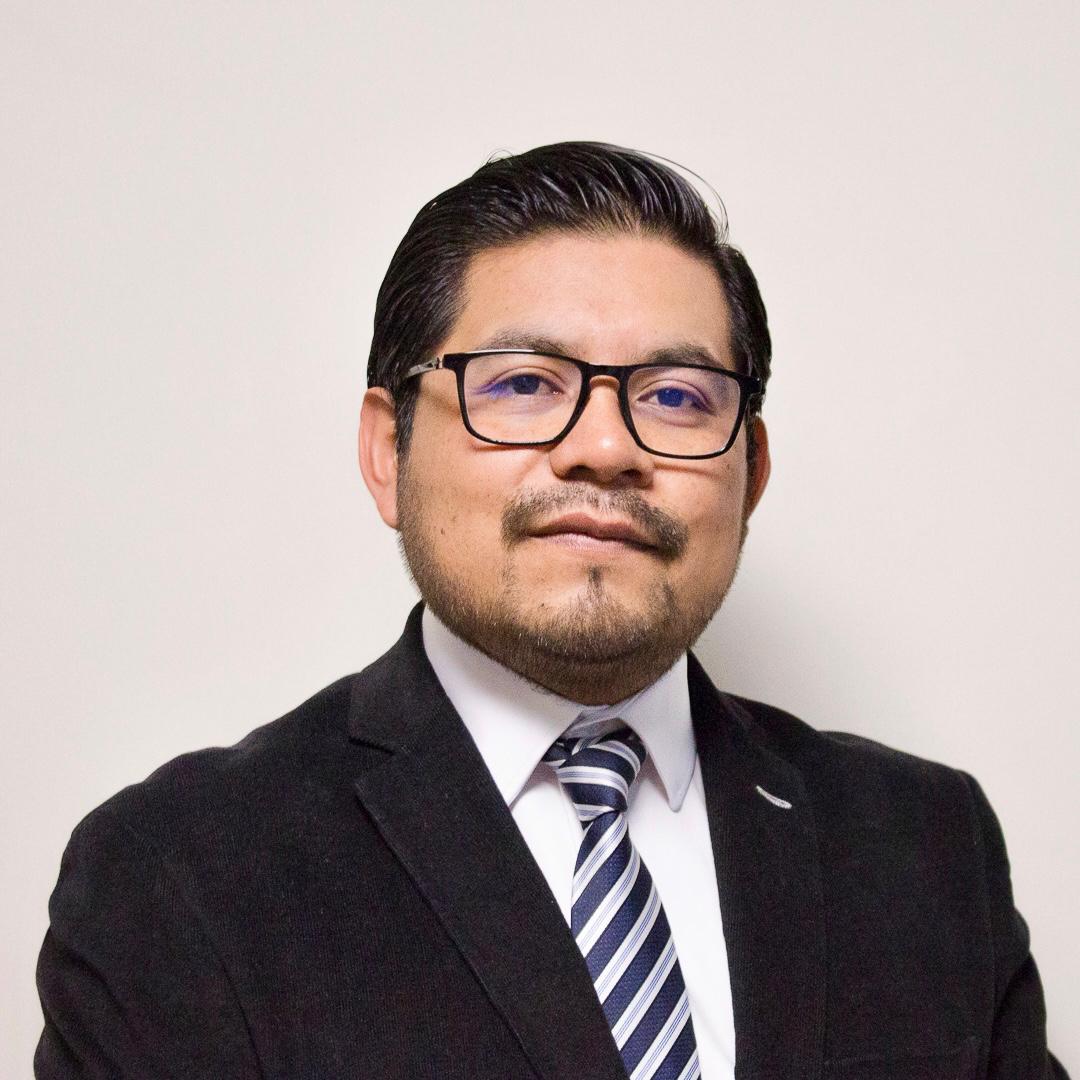
Comité de arreglos locales
Dr. Ernesto Zambrano Serrano

Comité de arreglos locales
Dr. David Alejandro Díaz Romero
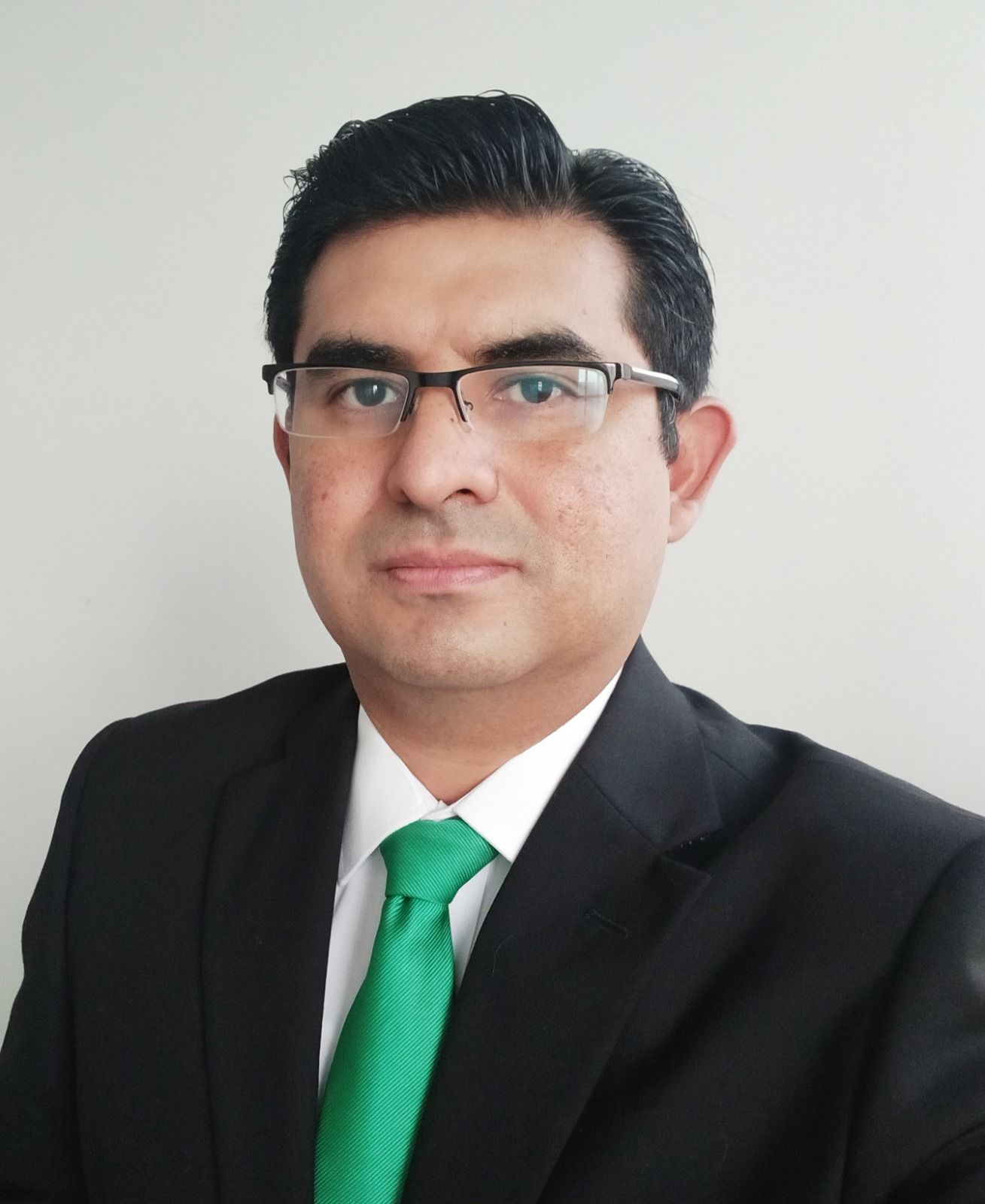
Comité de arreglos locales
Dr. Juan Ángel Rodriguez Liñan
Comité de arreglos locales
M.A. Luis Rolando Hernández Salazar
Editores asociados
| Nombre | Universidad |
|---|---|
| Dr. Victor Alcaraz-Gonzalez | Universidad de Guadalajara |
| Dr. Maria Aracelia Alcorta Garcia | Universidad Autonoma De Nuevo Leon |
| Dr. Efraín Alcorta-García | Universidad Autonoma De Nuevo Leon |
| Dr. Jesus G. Alvarez | Universidad de Guadalajara |
| Dr. Marco A. Arteaga | Universidad Nacional Autonoma de Mexico |
| Dr. Omar Avalos | Universidad de Guadalajara |
| Dr. Juan Gonzalo Barajas-Ramirez | IPICYT |
| Prof. Michael V. Basin | Autonomous Univ. of Nuevo Leon |
| Dr. Héctor M. Becerra | Centro de Investigación en Matemáticas |
| Prof. Gildas Besancon | Grenoble INP UGA, Gipsa |
| Dr. Emmanuel Cruz-Zavala | Centro Universitario de Ciencias Exactas e Ingenierías, UdG |
| Dr. Dunstano del Puerto-Flores | Universidad de Guadalajara |
| Dr. Rubén Garrido | Cinvestav-IPN |
| Dr. Marcos A. Gonzalez-Olvera | Universidad Autónoma de la Ciudad de México |
| Dr. Francisco Jurado | TecNM/INSTITUTO TECNOLOGICO de La Laguna |
| Dr. Miguel A. Llama | Tecnológico Nacional de México, Instituto Tecnológico de la Laguna |
| Prof. Carlos Lopez-Franco | CUCEI, University of Guadalajara |
| Dr. Emmanuel Nuño | Universidad de Guadalajara |
| Dr. Miguel Angel Platas-Garza | Universidad Autónoma de Nuevo León |
| Dr. Alejandro Rodriguez-Angeles | CINVESTAV |
| Dr. Angel Rodriguez-Liñan | Universidad Autónoma de Nuevo León |
| Dr. Romero Jose-Guadalupe | ITAM |
| Dr. Elvia Ruiz Beltran | Tecnológico Nacional de México / Instituto Tecnologico de Aguascalientes |
| Dr. Jose L. Rullan-Lara | Universidad Autonoma del Carmen |
| Dr. Belem Saldívar | Cinvestav |
| Dr. Didier Sanchez Oscar | CUCEI, Universidad de Guadalajara |
| Dr. Victor Santibanez | Instituto Tecnologico De La Laguna |
| Dr. Ixbalank Torres Zúñiga | Universidad de Guanajuato |
| Dr. Martin Velasco-Villa | Cinvestav |
| Dr. Ernesto Zambrano-Serrano | Universidad Autónoma de Nuevo León | Más miembros por confirmar… |
Talleres Técnicos

Taller de emulación de robots móviles de tracción diferencial usando MATLAB y CoppeliaSim
Dr. Adrian Arellano-Delgado
IIXM SECITHI-UABC
Facultad de Ingeniería, Arquitectura y Diseño
Ensenada, Baja California
Correo electrónico:
adrian.arellano@uabc.edu.mx
Resumen del taller
En este taller se analizará el diseño e implementación de un controlador no lineal para el seguimiento de trayectorias en robots móviles de tracción diferencial utilizando MATLAB y CoppeliaSim. Se abordará el modelado cinemático del robot, el análisis del error de seguimiento y el diseño de leyes de control basadas en estabilidad de Lyapunov. Asimismo, se realizará la implementación y emulación del controlador en CoppeliaSim mediante comunicación remota con MATLAB, permitiendo controlar el robot en tiempo real, visualizar el seguimiento de trayectorias y analizar el desempeño del sistema en distintos escenarios de simulación.
Biografía
Adrian Arellano-Delgado: Doctor en Ciencias por la Universidad Autónoma de Baja California (UABC), Ensenada, B.C., México en 2013. Realizó una estancia postdoctoral en el Departamento de Electrónica y Telecomunicaciones del Centro de Investigación Científica y Estudios Avanzados de Ensenada (CICESE) en 2014-2015. Actualmente es INVESTIGADOR POR MEXICO SECIHTI-UABC. Sus temas de interés incluyen sincronización y control de sistemas dinámicos, sistemas complejos, sistemas caóticos, criptografía y robótica.
Sesiones Plenarias
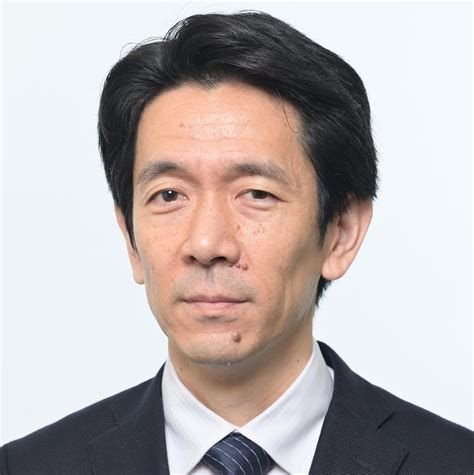
This plenary is partially supported by the IFAC Distinguished Lecturer Program
Resilient Coordination in Networked Systems: From Consensus to Synchronization
Prof. Hideaki Ishii
Abstract
Networked systems consisting of multiple interacting agents arise in a wide range of applications, including robotic networks, sensor networks, and cyber-physical systems. A fundamental challenge in such systems is to achieve coordinated behavior in the presence of unreliable or even malicious agents. Resilient consensus provides a useful framework for addressing this challenge through distributed algorithms that exploit redundancy in network connectivity and information exchange.
In this talk, we first introduce basic ideas of resilient consensus and discuss how simple filtering-based mechanisms can limit the influence of malicious agents. We then focus on synchronization based on pulse-coupled oscillators, where agents interact through event-driven pulse signals rather than explicit exchange of their states.
This raises new challenges for resilient coordination, since both the information available to individual agents and the timing of their updates differ from those in conventional consensus algorithms. We present resilient synchronization strategies against malicious oscillators and discuss how ideas originating from resilient consensus can be adapted to this different interaction mechanism. Finally, we briefly highlight other recent approaches to reducing the communication and connectivity requirements for resilient coordination and discuss broader directions for resilient networked systems.
Biography
Prof. Hideaki Ishii received the M.Eng. degree from Kyoto University in 1998, and the Ph.D. degree from the University of Toronto in 2002. He was a Postdoctoral Research Associate at the University of Illinois at Urbana-Champaign in 2001-2004, and a Research Associate at The University of Tokyo in 2004-2007. He was an Associate Professor and then a Professor at the Tokyo Institute of Technology, Yokohama, Japan, in 2007-2024. Currently, he is a Professor at the Department of Information Physics and Computing, The University of Tokyo since 2024. He was a Humboldt Research Fellow at the University of Stuttgart in 2014-2015. He has also held visiting positions at CNR-IEIIT at the Politecnico di Torino, the Technical University of Berlin, and the City University of Hong Kong. His research interests include networked control systems, multiagent systems, distributed algorithms, and cyber-security of control systems.
Prof. Ishii has served as an Associate Editor for Automatica, the IEEE Control Systems Letters, the IEEE Transactions on Automatic Control, the IEEE Transactions on Control of Network Systems, and the Mathematics of Control, Signals, and Systems. He was a Vice President for the IEEE Control Systems Society (CSS) in 2022-2023 and the Chair of the IFAC Coordinating Committee on Systems and Signals in 2017-2023. He served as the IPC Chair for the IFAC World Congress 2023 held in Yokohama, Japan. He received the IEEE Control Systems Magazine Outstanding Paper Award in 2015. Dr. Ishii is a Fellow of IEEE and IFAC.
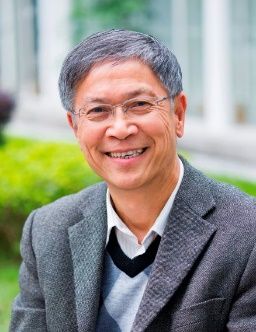
Pinning Control and Controllability of Complex Networks
Prof. Guanrong Chen
City University of Hong Kong
Abstract
We first introduce the basic problem and main ideas of pinning control in complex dynamical networks. We then describe the state controllability and structural controllability of directed networks composed of homogeneous LTI system nodes. Further, we discuss the minimum pinning control input principle, controllability criteria, and characterization for SISO system nodes and describe the diversity and complexity of complex networks of MIMO system nodes, establishing their controllability criteria and conditions. Finally, we extend the pinning control problem to sampled-data control networks of MIMO node systems, establishing necessary and sufficient conditions for the controllability of complex networks of heterogeneous system nodes.
Biography
Prof. Chen received his Master’s degree in Computational Mathematics from Sun Yat-sen University in Guangzhou in 1981 and his Ph.D. in Applied Mathematics from Texas A&M University in USA in 1987. He subsequently taught at Rice University and the University of Houston. Since 2000, he has been a Chair Professor at City University of Hong Kong.
Prof. Chen was elected IEEE Fellow in 1997; received a China National Natural Science Award in 2008, 2012 and 2016, respectively; was awarded an Honorary Doctorate by Saint Petersburg State University and the Euler Gold Medal by the Euler Foundation of Russia in 2011; received an Honorary Doctorate from the University of Normandy France and was elected a Member of the Academia Europaea in 2014; was elected a Member of the European Academy of Engineering and a Fellow of The World Academy of Sciences in 2015.
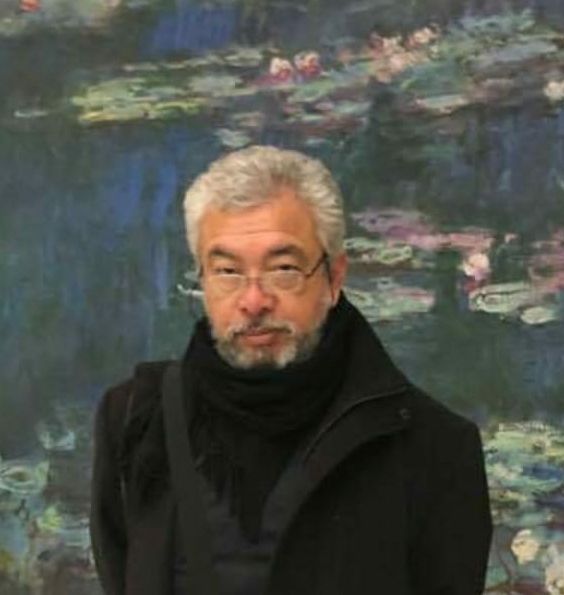
Comportamientos colectivos en enjambres robóticos: consecuencia de la complejidad
Prof. Cesar Cruz
Resumen
La manifestación distintiva de un sistema complejo es la emergencia de comportamientos colectivos, es decir, la generación de propiedades no existentes en los individuos que componen el sistema.
El procesamiento de información en el cerebro, el combate de enfermedades del sistema inmunológico, el clima, la síntesis de proteínas hasta el origen de la vida, son producto de la complejidad. Otros comportamientos colectivos naturales son: la sincronización, movimiento coordinado, formación, consenso, agregación, cita, forrajeo, división de tareas, desplazamiento no predecible en búsqueda de alimentos, toma colectiva de decisiones, transporte colaborativo, etc.
En esta plática, se ilustrará mediante algunos comportamientos colectivos la relación de la complejidad y los enjambres robóticos. Mostraremos cómo la complejidad -es fuente de inspiración- para emular algunos comportamientos colectivos con enjambres de pequeños robots móviles. Se mostrarán algunas aplicaciones a recolección de información, exploración, búsqueda y rescate, detección rápida de objetos, patrullaje, transporte colaborativo, en en terrenos inhóspitos o remotos.
Biografía
Obtuvo maestría y doctorado en ingeniería eléctrica por el CINVESTAV-IPN. Adscrito actualmente al Centro de Investigación Científica y de Estudios Superiores de Ensenada (CICESE).
Fue investigador postdoctoral en la Universidad de Twente, Países Bajos con el profesor Henk Nijmeijer. Sus áreas de investigación incluyen oscilaciones multimodo de osciladores acoplados; redes sociales, biológicas y neuronales; sincronización y control de sistemas complejos y algunas aplicaciones: encriptado caótico para comunicaciones seguras en sistemas biométricos y telemedicina; control de comportamientos colectivos en robots móviles: exploración y reconocimiento en entornos inhóspitos; búsqueda, rescate y transporte colectivo con vehículos no tripulados.
Coautor de numerosos artículos, capítulos de libros y ponencias plenarias. Ha contribuido a la generación de recursos humanos: licenciatura, maestría y doctorado. Ha dirigido numerosos proyectos de investigación, incluyendo la formación de grupos de investigación, investigadores por México y posdoctorales.
Miembro del consejo editorial de varias revistas y series de libros, editor invitado de números especiales. Miembro de los Comités de Evaluación de los Premios de Ciencia y Tecnología del estado de Chihuahua. Miembro de la Academia Mexicana de Ciencias. Presidente de la Asociación Mexicana de Control Automático (2020-2021).
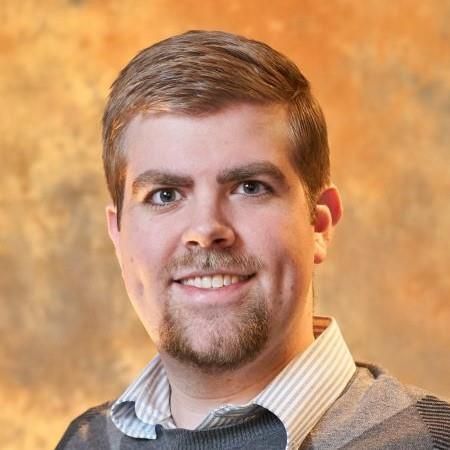
Controls in Agriculture and Construction
Dr. Scott Johnson
Engineering Manager – PE Control Systems
Intelligent Solutions Group – Farg
Abstract
John Deere is a world leading name in agriculture with 189 years of reinventing the way food is produced. Farms have quietly become hubs for technology, automation, and data. A similar story is playing out in the construction technology to make equipment safer, smarter, and do more with less access to skilled labor. The need for food and shelter is growing, but the available usable land is not. Technology needs to keep up with the population growth to enable a safer, healthier world. This technology needs control engineers to unlock the full potential of the equipment. This talk will highlight some of the unique challenges faced by John Deere customers and how controls get adapted into the off-highway industry.
Biography
Dr. Scott Johnson is a Power Electronics Control Systems Manager for John Deere, where he provides technical and organizational leadership for the development of advanced control systems supporting electrified and hybrid agricultural vehicles. He leads system‑level control architecture, algorithm development, and cross‑functional integration for power electronics and embedded control applications.
In his current role, Dr. Johnson oversees teams responsible for translating advanced control methodologies into robust, production‑ready solutions, with particular emphasis on system validation and model‑based development. He has played a key leadership role in advancing power electronics hardware‑in‑the‑loop (HIL) simulation capabilities, enabling earlier verification of control strategies and tighter integration between software, controls, and hardware design.
His technical interests span vehicle power management, electrified drivetrains, and advanced control methods, including model predictive control, robust control, and switched systems. He is also actively engaged in industry–academic collaboration, supporting the application of modern control theory within industrial product development.
Dr. Johnson received his M.S. and Ph.D. degrees in Electrical Engineering from Purdue University, where his doctoral research focused on observability and observer design for switched and hybrid systems.
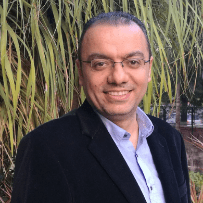
From Intelligent Wearable Robotics to Human-Centered Assistive Technologies: Advancing Assistance, Rehabilitation, and Clinical Assessment
Prof. Samer MOHAMMED
University Paris-Est Créteil
Abstract
Wearable robotics offers new opportunities to augment human mobility, balance, endurance, and adaptability across diverse tasks and environments. However, effective human-centered systems require more than mechanical assistance alone. This presentation introduces a unified research framework built around three complementary pillars: optimization, perception, and interaction.
Through a series of studies conducted within an academic–clinical research ecosystem, we investigate how these pillars can be combined to provide adaptive and personalized assistance. Our work explores the optimization of assistance strategies, the development of robust perception methods for recognizing user intent and locomotion context, and the design of physical interactions that support natural and efficient movement.
These principles are applied across different wearable robotic technologies and rehabilitation approaches, including exoskeletons, orthoses, and adaptive stimulation. Together, they illustrate a common paradigm in which perception provides contextual awareness, optimization defines assistance objectives, and interaction delivers personalized support.
Biografía
Prof. Samer Mohammed received the Ph.D. degree in Robotics from LIRMM/CNRS, University of Montpellier, France, in 2006, and the Habilitation to supervise research degree in wearable robotics from the University of Paris-Est Créteil, Crteil, France, in 2016. He is currently a Full Professor with University Paris-Est Créteil. He has authored or coauthored more than 100 papers in scientific journals, books, and conference proceedings.
His research interests include modeling and control of robotic systems (wearable robots), artificial intelligence, and decision-support theory with target applications on the functional assisting of dependent people. Dr. Mohammed is the General Chair of the IEEE-RAS Technical Committee on Wearable Robotics. He co-organized many national and international workshops and conferences in the field of wearable technologies..
| Hora | Martes 06/10/2026 | Miércoles 07/10/2026 | Jueves 08/10/2026 | Viernes 09/10/2026 |
|---|---|---|---|---|
| 8:15 - 8:30 | Inauguración | |||
| 8:30 - 9:30 | Plenaria 1 Prof. Ishii | Plenaria 3 Prof. S. Mohammed | Plenaria 5 Prof. Ron Chen | |
| 9:30 - 9:45 | Talleres y sesiones de divulgación de la ciencia | Coffee break | Coffee break | Coffee break |
| 9:45 - 11:45 | Sesión 1 Sesión 2 Sesión 3 |
Sesión 10 Sesión 11 Sesión 12 |
Sesión 16 Sesión 17 Sesión 18 Sesión 19 |
|
| 11:45 - 12:00 | Coffee break | Coffee break | Clausura | |
| 12:00 - 13:00 | Sesión 4 Sesión 5 Sesión 6 |
Sesión 4 Sesión 5 Sesión 6 |
||
| 13:00 - 15:00 | ||||
| 15:00 - 16:00 | Plenaria 2 Prof. C. Cruz | Plenaria 4 Dr. Scott Johnsson | ||
| 16:00 - 16:15 | Coffee break | Coffee break | ||
| 16:15 - 18:15 | Sesión 7 Sesión 8 Sesión 9 |
Sesión 13 Sesión 14 Sesión 15 |
||
| 18:30 - 19:30 | Reunión AMCA | |||
| 20:00 | Brindis de bienvenida (Hotel sede) | Cena de gala |
Miércoles 07 de octubre
Control Basado en Pasividad (Sala 11203)
| Horario | Number | Title | Authors |
|---|---|---|---|
| 09:30 a 09:50 | 134 | A Port-Hamiltonian IDA-PBC Control Approach for a Microbial Electrolysis Cell for Hydrogen Production from Agricultural Wastewater | Walter E. Ortega-Muñan*, Rene Flores-Estrella, Ixbalank Torres-Zuñiga, Victor Alcaraz-Gonzalez |
| 09:50 a 10:10 | 24 | IDA-PBC Control with Neural Compensation for a Simple Pendulum under Parametric Uncertainty | Jesús Abimael Contreras Carlos*, Victor Samuel de León Gómez, Juan Antonio Escareno Castro |
| 10:10 a 10:30 | 85 | Velocity Tracking Control of a PMSM-Driven Eccentric Load Via Position and Current Feedback | Cuauhtemoc Guerrero*, Marcos A. Gonzalez-Olvera, Victor Santibanez |
| 10:30 a 10:50 | 2 | A PI Passivity-Based Controller for a Nonlinear Source-Fed Boost Converter Supplying a Nonlinear Load | Isaac Pimentel, Rafael Cisneros*, Mario Andrés Aguilar-Orduña, Diego Langarica Cordoba |
| 10:50 a 11:10 | 88 | Passivity-Based Control of a DC Microgrid | David Márquez-González, Sofia Avila-Becerril, Víctor Cárdenas, Gerardo Espinosa-Perez* |
| 11:10 a 11:30 | 86 | Experimental Validation of an Optimal Current Tracking Passivity Based Control for the PMSM | Miguel Angel Escobar Tufiño, Fernanda Ramos-García, Axel Alejandro Coronado Andrade, Gerardo Espinosa-Perez* |
Control Robusto, Estimación de Estado y Filtrado (Sala 11203)
| Horario | Number | Title | Authors |
|---|---|---|---|
| 12:00 a 12:20 | 145 | Novelty Design of Risk Sensitive Filtering Equations for the Non Linear System of the Simple Pendulum | Maria Aracelia Alcorta Garcia*, Jose Armando Saenz, Joel Perez Padron, Héctor Atletl Romero Pando, Hiram Asahel Partida Villarreal, David Quintanilla Mares |
| 12:20 a 12:40 | 16 | Observer-Based Fuzzy Logic Trajectory Tracking Control of Perturbed Quadrotor Vehicles | Cesar Morales De Jesus*, Roger Miranda-Colorado, Rubén Garrido |
| 12:40 a 13:00 | 95 | Eco-Driving Strategy Based on Model Predictive Control for Electric Buses Under Variable Route Conditions | Emmanuel Rodríguez-Monzón, Paul Maya-Ortiz*, César Angeles Camacho, Martin Ortiz |
Detección y Aislamiento de Fallas (Sala 11203)
| Horario | Number | Title | Authors |
|---|---|---|---|
| 16:15 a 16:35 | 34 | Fault Diagnosis in Linear Systems Using Residual Structural Normalization | Efraín Alcorta-García*, David Alejandro Diaz-Romero, Miguel Angel Platas-Garza, Ernesto Zambrano-Serrano |
| 16:35 a 16:55 | 141 | Predictor Design for Output-Delay Systems: An Algebraic and LMI-Based Approach | Jesus Alberto Suarez*, Francisco Javier Bejarano |
| 16:55 a 17:15 | 108 | Design of an FDI system using the Takagi-Sugeno approach with application to two coupled tanks | Hector Villarreal Fulgencio, Roberto Garibay Trejo, Alberto Arturo Flores Herández*, Wendy Sanchez, Diego Daniel Alejandro Mendoza Balboa |
| 17:15 a 17:35 | 30 | Shunt Fault Location in Single-Phase Transmission Lines Using an Extended Kalman Filter | Kevin Andres Cortes Mendoza, Cristina Verde* |
| 17:35 a 17:55 | 104 | Fault Detection and Diagnosis in a CSTR Using the Takagi-Sugeno Systems | Elias Abraham Mancilla Rodriguez, Jose Carlos De La Garza, Alberto Arturo Flores Herández*, Wendy Sanchez, Diego Daniel Alejandro Mendoza Balboa |
| 17:55 a 18:15 | 132 | Performance validation of a random forest-based classifier for stator fault diagnosis of a permanent magnet synchronous generator | Jose Antonio Alvarez Salas, Ricardo Alvarez-Salas*, Mario Arturo González García, Francisco Javier Villalobos Piña, Amparo Rodriguez-Cobos |
Control Robusto (Sala 11204)
| Horario | Number | Title | Authors |
|---|---|---|---|
| 09:30 a 09:50 | 71 | Interconnected Observer to Estimate Unknown Inputs to a Dark Fermentation Process | Ixbalank Torres Zúñiga*, Fernando Lopez-Caamal, Jorge Davila, Victor Alcaraz-Gonzalez |
| 09:50 a 10:10 | 57 | Active Disturbance Rejection-Based Robust Control Architecture for Autonomous Two-Wheeled Self-Balancing Electric Vehicles | Alejandro Lima Pérez*, Jesús Linares-Flores, José Antonio Juárez-Abad, Arturo Hernández Méndez, Saúl García Sánchez |
| 10:10 a 10:30 | 3 | A Collision–Free Robust Cooperative Controller for Second–Order Agents | Hector Rios*, Denis Efimov |
| 10:30 a 10:50 | 11 | Fault-Tolerant Diffusion Kalman Filter for Oil Pipeline Monitoring: A Comparative Study with Centralized Architecture | Luis-David Lara-Rodriguez, Elizabeth López-Meléndez, Omar González*, Monika Alexandra Espin Carrillo |
| 10:50 a 11:10 | 33 | Parametric Design of a 600 W Aerogenerator | René Galindo Orozco* |
| 11:10 a 11:30 | 23 | Optimal Tuning of LADRC Approach for Buck Converters Control using Multi-Objective Particle Swarm Optimization | Alberto Martinez-Barbosa*, Esteban Guerrero-Ramírez, Marco Contreras-Ordaz, Gerardo Guerrero-Ramírez, Alejandro Pineda-Uribe |
Sistemas No Lineales III (Sala 11204)
| Horario | Number | Title | Authors |
|---|---|---|---|
| 12:00 a 12:20 | 119 | Intermittent Triangular Formation with Differential-Drive Mobile Robots | Brian Javier Aguilera Cedillo, Adrian Arellano-Delgado*, Rosa Martha López-Gutiérrez, Miguel Angel Murillo-Escobar, César Cruz-Hernández |
| 12:20 a 12:40 | 82 | A Symmetry-Preserving Observer Design for the Heisenberg System | Manuel Mera*, Rosane Ushirobira, Denis Efimov |
| 12:40 a 13:00 | 97 | Observer for detectable LTI systems with commensurate delays affected by unknown inputs | Germán Pérez Mendieta*, Francisco Javier Bejarano, Jorge Davila |
Sistemas No Lineales II (Sala 11204)
| Horario | Number | Title | Authors |
|---|---|---|---|
| 16:15 a 16:35 | 50 | Active Disturbance Rejection Control of a MagLev Platform | Abraham Urieta-Ortega*, Rafael Castro-Linares |
| 16:35 a 16:55 | 91 | Adaptive Neural Tracking and Stabilization of Discrete-Time Chen System with Discrete-Time Chua Reference | Jose P Perez, Joel Perez, César Fernando Méndez-Barrios, Miguel Angel Platas-Garza, Ernesto Zambrano-Serrano* |
| 16:55 a 17:15 | 4 | Fixed–Time Adaptive Estimation in State–Affine Nonlinear Systems | Hector Rios*, Denis Efimov, Rosane Ushirobira |
| 17:15 a 17:35 | 127 | A Nonlinear Dynamic–Kinematic Control Architecture for Trajectory Tracking of Autonomous Ground Vehicles | Joaquin Hernandez Santiago*, Gloria-Lilia Osorio-Gordillo, Jorge-Yusef Colín-Castillo, Rodolfo Amalio Vargas Mendez, Evelyn Bahena-Bustamante, Ezequiel Dominguez Lagunas |
| 17:35 a 17:55 | 130 | CLF-Based Design for Attitude Control of a Rigid Body: An Inverse Optimal Control Approach | J. Fermi Guerrero-Castellanos*, Esau Malpica-Velasco, Hugo Rodriguez-Cortes, Gerardo Mino Aguilar |
| 17:55 a 18:15 | 10 | Real-Time Control of a Twin Rotor Based on Differential Algebraic Equations | Norma Aldana, David Vázquez, Miguel Bernal* |
Sistemas No Lineales I (Sala 11205)
| Horario | Number | Title | Authors |
|---|---|---|---|
| 09:30 a 09:50 | 32 | On a Homogeneity-Based Observer for a Class of Second Order Systems: Multistage and Multistep Discretization | Dariel Veloz Martínez*, Tonametl Sanchez |
| 09:50 a 10:10 | 121 | State Estimation Methodology for an Autonomous Ground Vehicle Based on Extended Kalman Filter | Ezequiel Dominguez Lagunas*, Gloria-Lilia Osorio-Gordillo, Edgardo de Jesús Carrera, Joaquin Hernandez Santiago, Rodolfo Amalio Vargas Mendez, Evelyn Bahena-Bustamante |
| 10:10 a 10:30 | 116 | Nonlinear Sliding Manifolds for Trajectory Generation and Geometric Control of Quadrotor UAV | Oleg Cravioto*, Martha Belem Saldivar, Manuel Jimenez-Lizarraga |
| 10:30 a 10:50 | 131 | Optimal Investment in a multi-asset market with borrowing, the CIR interest rate model, and a random time horizon | Nuha Alasmi*, Bujar Gashi |
| 10:50 a 11:10 | 9 | Robust Path Following of a Catamaran-Type USV Via LOS Guidance and Super-Twisting Control | Giovanni Emmanuel Lopez Cruz*, Jose Luis Rullan Lara, Hussain Alazki |
| 11:10 a 11:30 | 55 | Second-Order Sliding-Mode Control Design for Nonlinear Systems Using Convex Representations | Carlos Alberto López Reyes, David Vázquez, Alan Tapia* |
Sistemas Lineales (Sala 11205)
| Horario | Number | Title | Authors |
|---|---|---|---|
| 12:00 a 12:20 | 128 | A Unified Control Framework for Classical, Robust, Intelligent, and Discrete Event Systems | Juan C. Gonzalez-Gomez, Mario A. Ruz-Canul*, Jose L. Rullan-Lara, William Torres-Hernandez, Ana Karen Paredes-Perez, Nicolas Salvador-Garcia, Heriberto Cano-Cruz |
| 12:20 a 12:40 | 70 | Input–Output Pairing Analysis Using Static and Dynamic Relative Gain Array: Application to a 2DOF Helicopter | Jorge Luis Orozco Mora*, Javier Ruiz-León, Lester Pino Acosta, Elvia Ruiz Beltran |
| 12:40 a 13:00 | 98 | Attractive ellipsoid method for the stabilization of neutral-type time delay systems | Edson Cruz*, Martha Belem Saldivar, Alexander S. Poznyak |
Sistemas Caóticos (Sala 11205)
| Horario | Number | Title | Authors |
|---|---|---|---|
| 16:15 a 16:35 | 39 | Integral Sliding Mode Observer Based on Differential Flatness for Secure Chaotic Communications with Signal and Image Encryption | Angel del Rosario Zarate Ruiz, Juan Javier Montesinos-García*, Jorge Luis Barahona-Avalos, Esther Lugo-González |
| 16:35 a 16:55 | 137 | Generación de Criptogramas Pseudoaleatorios Basada en el Oscilador de Liu de Orden Fraccionario | Alfredo Daniel Cortés-Preciado*, Allan Giovanni Soriano-Sánchez |
| 16:55 a 17:15 | 113 | Entropic Monitoring of Bifurcations in the Lorenz System | Daniel Enrique Rivas Cisneros* |
| 17:15 a 17:35 | 25 | Discrete Chaotic Maps for Autonomous Robot Exploration: A Comparative and Sensitivity Study | Ernesto Zambrano-Serrano*, Andres Anzo-Hernandez |
| 17:35 a 17:55 | 144 | Bridging Simulation and Experiment: A Quantitative Validation Framework for Chaotic Systems | Irwin A. Diaz-Diaz* |
| 17:55 a 18:15 | 90 | Medical Interface for Secure Teleconsultation Using Enhanced Chaotic Tent Map | Miguel Angel Murillo-Escobar*, César Cruz-Hernández, Adrian Arellano-Delgado, Rigoberto Martinez Clark, Rosa Martha López-Gutiérrez |
Jueves 08 de octubre
Modelado e Identificación de Sistemas I (Sala 11203)
| Horario | Number | Title | Authors |
|---|---|---|---|
| 09:30 a 09:50 | 115 | Dynamic Characterization and Analysis of Geometry-Induced Nonlinearities in Liquid Storage Systems | Angel M. Hernández-Gómez, Hernan Gonzalez-Aguilar, Martha Belem Saldivar* |
| 09:50 a 10:10 | 83 | Modelling Growth Dynamics and Waste Fluxes in Trout Aquaculture | Miguel Antonio González Serrano, Francesca Casagli, Olivier Bernard, Alejandro Vargas* |
| 10:10 a 10:30 | 15 | Mathematical modeling of tumor dynamics: A brief review | Andrea Elizabeth Gonzalez Garcia*, Martha Belem Saldivar, Antonio Bensussen |
| 10:30 a 10:50 | 84 | A Mathematical Model of the Hypothalamic‑Pituitary‑Gonadal Axis and Tumor Dynamics under Intermittent Androgen Suppression Therapy in Prostate Cancer | Fernando Ramírez Islas*, Martha Belem Saldivar, Antonio Bensussen |
| 10:50 a 11:10 | 89 | Equivalent Circuit Modeling of PFAS Adsorption on Graphene-Based Interdigitated Electrodes | Ilianny Castellón-Pérez, UC Joege, Lizeth Torres, Roberto Giovanni Ramírez-Chavarría* |
| 11:10 a 11:30 | 66 | Microbeads Machine Modeling and Identification using Recurrent Neural Networks | Rodrigo Sanchez-Zavala, Victor Alvarado-Lopez, Dulce Martinez-Peon*, Oscar Wong-Vazquez, Panuncio Cruz-Francisco, Jorge Ortega-Lopez |
Control Robusto, Estimación de Estado y Filtrado (Sala 11203)
| Horario | Number | Title | Authors |
|---|---|---|---|
| 12:00 a 12:20 | 5 | Safety–Critical Sliding–Mode Control of Uncertain Second–Order Systems | Camila Sofía Sánchez García, Hector Rios*, Manuel Mera, Sergio Salazar |
| 12:20 a 12:40 | 92 | Design of an Experimental DC Motor Platform: Performance Evaluation of Ziegler-Nichols vs. Genetic Algorithm PID Tuning. | Marino Marino López Cruz*, Montserrat Trejo-Guerra, Paul Maya-Ortiz |
| 12:40 a 13:00 | 6 | A Fixed-Time Observer for Slipping and Skidding Effects in Unicycle Mobile Robots | María Fernanda Govea, Hector Rios*, Manuel Mera |
Sesión Invitada 1: Real-time and data-based innovations in intelligent cyber physical systems (Sala 11203)
| Horario | Number | Title | Authors |
|---|---|---|---|
| 16:15 a 16:35 | 40 | Sliding Modes Controller Applied to an Inverted Pendulum on a Linear Cart | Alejandro Perez-Hernandez*, Paola Garcia-Cuevas , Ricardo Berumen , Alma Y. Alanis |
| 16:35 a 16:55 | 45 | Impulsive Pinning Control As an Optimization Strategy on Complex Networks | Jorge Gálvez , Mario A. Ruz-Canul* , Karla Avila , Heriberto Zapata , Alma Y. Alanis, Jose A. Ruz Hernandez |
| 16:55 a 17:15 | 46 | PID-Based Control of Exploration and Exploitation in Evolutionary Strategies | Jorge Gálvez, Heriberto Zapata*, Emmanuel Lopez, André Salazar, Omar Avalos, Alma Y. Alanis |
| 17:15 a 17:35 | 59 | Compact Multilayer Perceptron for Electrocardiogram-Based Sleep Apnea Support | Jesus E. Vallejo-Ayala, Sofía G. Galindo, Emilio Barajas, Marco Antonio Barajas-Gonzalez, Eduardo Mendez-Palos, Alma Y. Alanis, Maria Cristina Padilla-Becerra* |
| 17:35 a 17:55 | 75 | Lyapunov Exponent Validation for Financial Emulator | Alejandro Perez-Hernandez , Hugo G. Venegas , Alejandra Ibarra , Pedro M. Gomez , Jesus G. Alvarez , Alma Y. Alanis* |
| 17:55 a 18:15 | 76 | Tuning a Monte Carlo Particle Filter using Global PSO to Localize a Mobile Robot on an Occupancy Map | Sebastian M. Muñiz, Carlos Lopez-Franco, Alma Y. Alanis* |
Redes Neuronales Artificiales (Sala 11204)
| Horario | Number | Title | Authors |
|---|---|---|---|
| 09:30 a 09:50 | 26 | Two-Layer Neuro-Fuzzy Motion Control with Variable-Fixed Compensation for a Quadrotor UAV | Dexter Hernandez*, Sergio Lopez, Miguel A. Llama |
| 09:50 a 10:10 | 56 | Aprendizaje End-To-End Físicamente Restringido Para Control Disparado Por Eventos En UAVs | Cesar Andres Parra Gomez*, Luis Amezquita-Brooks, Octavio Garcia Salazar, Ignacio Quiroz-Vazquez |
| 10:10 a 10:30 | 139 | Frugal MPC as an Implicit Neural Network: A Laser Beam Steering Study | Rafael Isaac Vásquez Cruz, Ernesto Castellanos Velasco, J. Fermi Guerrero-Castellanos* |
| 10:30 a 10:50 | 18 | Edge Fault-Tolerant Control of DC Motors Via TinyML | Adrian Camacho Ramirez*, Luis Felipe Ramírez Jerónimo, Laura Patricia Jiménez Mijangos, Jose Manuel Benitez-Quintero |
| 10:50 a 11:10 | 72 | Imitation Learning of NMPC for Synchronized Van Der Pol Oscillators with Delays | Marcos A. Gonzalez-Olvera*, Anahi Flores Perez |
| 11:10 a 11:30 | 99 | Motion Control of a Four-Wheeled Omnidirectional Mobile Robot Via Adaptive Neural Network | Gibran López-Burrola*, Sergio Lopez Hernández, Miguel A. Llama |
Sistemas No Lineales III (Sala 11204)
| Horario | Number | Title | Authors |
|---|---|---|---|
| 12:00 a 12:20 | 38 | Fractional-Order Observer-Based Sliding Mode Control for a Coaxial-Rotor UAV | Fredy Uriel Nava Andres, Jorge Luis Barahona-Avalos, Juan Javier Montesinos-García* |
| 12:20 a 12:40 | 93 | Geometric Control of Quadrotors for Velocity-Commanded Flight | Esau Malpica-Velasco, Hugo Rodriguez-Cortes*, Fermi Guerrero, Jesus Ramon Amparan Estrada |
| 12:40 a 13:00 | 138 | Yield-Aware Trajectory Optimization for Wafer Stages in Step-And-Scan Lithography Systems | Roberto Treviño Cervantes*, Angel Rodriguez-Liñan |
Sesión Invitada 2: Vocación científica en control automático (Sala 11204)
| Horario | Number | Title | Authors |
|---|---|---|---|
| 16:15 a 16:35 | 78 | Low-Cost Educational Robotic Arm with 3D Printing and Analog Control using Arduino Uno | Ashley Abril Garcia Garfias, Juan Román Alvarez Meneses, Alejandra Luna-Gómez*, Francisco Ronay LÓPEZ-ESTRADA, David Tinoco Varela, Gonzalo Hedain López Mera |
| 16:35 a 16:55 | 79 | Detección De Fallas En Sensores Y Actuadores De Un Helicóptero Usando Mini Computadoras Analógicas | Hugo Iván Salinas Hernández, Manuel Alejandro Zuñiga Castillo, Luis Ramirez Cabrera, PEDRO EDEN ZAMORA GONZALEZ, Gerardo Romero*, Efraín Alcorta-García |
| 16:55 a 17:15 | 80 | Diseño De Observadores Usando Mini-Computadoras Analógicas Para El Desarrollo De Sensores Inteligentes | Daniel Isaí Santiago Velázquez, Leslie Pérez Martínez, Manuel Alejandro Zuñiga Castillo, Luis Ramirez Cabrera, PEDRO EDEN ZAMORA GONZALEZ, Gerardo Romero* |
| 17:15 a 17:35 | 102 | Design, Simulation and Use of Additive Manufacturing of the Bipedal Humanoid Robot Roboto San MK3 for Competitive and Didactic Robotics | MARTHA-ISABEL AGUILERA-HERNÁNDEZ* , Ángel-Giuseppe Herrejon-De-Luna, Genesis-Margarita Herrejon-De-Luna , Luis-Ricardo Mendoza-García |
| 17:35 a 17:55 | 112 | Benchmarking PID, LQR, and SMC Controllers for Quadrotor Precision Landing in a ROS~2/Gazebo Digital Twin | Aldo M. Padilla Camacho, Angel Rodriguez-Liñan, Erick de J. Ordaz Rivas* |
| 17:55 a 18:15 | 123 | Bidirectional Coupling Synchronization of Chaotic Chua Circuits | Valeria Alejandra Treviño Chapa, Eliezer Garza González* |
Robótica y Mecatrónica (Sala 11205)
| Horario | Number | Title | Authors |
|---|---|---|---|
| 09:30 a 09:50 | 49 | Fractional Prediction-Based Control for Linear Systems with Time Delay | Romario Reyes Lorenzo*, Martin Velasco-Villa, Rafael Castro-Linares, Julio Alejandro Báez-Hernández |
| 09:50 a 10:10 | 120 | Spline-Based Trajectory Generation and Tracking with Obstacle Avoidance Strategy Using a Time-Varying Lateral Deviation Vector for a Differential-Drive Robot | Hernandez Victor Victoria, Hiram Netzahualcoyotl Garcia-Lozano*, Olga Lidia Jimenez, Jesús Santiaguillo-Salinas |
| 10:10 a 10:30 | 47 | Time-Gap Formation Control for Dynamic Differential Robots | Angel Isai Toledo-Mendez*, Martin Velasco-Villa, Rafael Castro-Linares |
| 10:30 a 10:50 | 43 | Dynamic Modeling and Control of an Omnidirectional Mobile Robot Subject to Disturbances | César Brayan Bárcenas Presteguí*, Martin Velasco-Villa, Jaime González-Sierra |
| 10:50 a 11:10 | 42 | Disturbance Estimation in Mobile Robots with Chain Formation | Jose Eduardo Ruiz, Ruiz*, Julio Alejandro Báez-Hernández, Alejandro Rodriguez-Angeles, Martin Velasco-Villa |
| 11:10 a 11:30 | 48 | Mobile Robot Platooning without Inertial Measurements in the Presence of Disturbances | Nancy-Guadalupe Vega-Garcia*, Jose Eduardo Ruiz, Ruiz, Martin Velasco-Villa |
Sistemas Lineales (Sala 11205)
| Horario | Number | Title | Authors |
|---|---|---|---|
| 12:00 a 12:20 | 29 | Numerical Evaluation of Sub and Super-Unitary Fractional Integration Order in Observer-Based Magnetic Levitation Control | Marcos A. Gonzalez-Olvera*, Cuauhtemoc Guerrero, Gabriel Bengochea |
| 12:20 a 12:40 | 7 | Schur Complement and Matrix Inequalities with Applications to Stability Analysis | Pedro Damian Orozco, Ruiz*, Horacio Leyva, Baltazar Aguirre |
| 12:40 a 13:00 | 22 | Experimental Results on a Linear Hardware-In-The-Loop Control System Applied to a PVTOL Aerial Vehicle | Blanca Lucero Xopo Rodriguez*, Carlos Astorga-Zaragoza, Jorge Aurelio Brizuela-Mendoza, Gerardo Ortiz Torres, Felipe Ramírez-Rasgado |
Sesión Invitada 3: Vocación científica en control automático (Sala 11205)
| Horario | Number | Title | Authors |
|---|---|---|---|
| 16:15 a 16:35 | 125 | PCB-Based Platform for Master-Slave Synchronization of Chua Circuits | Ángel Morales Oropeza, Eliezer Garza González* |
| 16:35 a 16:55 | 149 | Embedded switching-type myoelectric control system for human-machine interaction applications | David Villegas, Griselda Quiroz* |
| 16:55 a 17:15 | 150 | Implementación de circuitos electrónicos modulares para la enseñanza de control automático en laboratorios portátiles | Dylan Salvador Flores Hernandez, Efraín Alcorta-García*, Miguel Angel Platas-Garza |
| 17:15 a 17:35 | 48 | Mobile Robot Platooning without Inertial Measurements in the Presence of Disturbances | Nancy-Guadalupe Vega-Garcia*, Jose Eduardo Ruiz, Ruiz, Martin Velasco-Villa |
| 17:35 a 17:55 | 13 | Computational Inverse Design of a Hydrogel-Based Dexamethasone Release Profile Using Differential Evolution | Fabiola Medina Villaseñor, Alma Y. Alanis, Eduardo Mendez Palos, Arturo Valdivia, Oscar Disier Sanchez* |
| 17:55 a 18:15 | 12 | Lightweight Arrhythmia Classification in ECG Signals Using 1D CNN, RR Features, and Local Hysteresis for False Alarm Reduction | Diego Rendon Aguilar, Ian Daniel López Ríos, Alejandra Robles Mora, Itzel Aranguren, Arturo Valdivia, Alma Y. Alanis, Oscar Didier Sanchez* |
Viernes 09 de octubre
Otros tópicos afines (Sala 11203)
| Horario | Number | Title | Authors |
|---|---|---|---|
| 09:30 a 09:50 | 21 | A Comparative Analysis of Differential Evolution Variants for Controller Tuning under Measurement Noise | Marcos Mejia-Delgadillo*, Rubén Garrido, Efrén Mezura-Montes |
| 09:50 a 10:10 | 1 | A Recurrence-Based Preliminary Analysis of Knotted Trajectories Generated by Dynamical Systems | Daniel Enrique Rivas Cisneros* |
| 10:10 a 10:30 | 81 | Industrial Internet of Things and LoRa-Based Architecture for Autonomous Inventory Traceability in Small and Medium-Sized Enterprises | David-Patricio Escamilla-Marquez, Jose-Isidro Hernandez-Vega*, Luis-Alejandro Reynoso-Guajardo, Jesus-Enrique Soto-Soto, Victoria-Celeste Rodriguez-Carreón, Alejandro Alonzo-García, Mario-Carlos Gallardo-Morales, Jorge Ortega-Lopez |
| 10:30 a 10:50 | 74 | On the Stabilization of Linear Systems Via Event-Based Sampled-Data Control | Juan Gonzalo Barajas-Ramirez*, Brandon Alberto Moncada-Beltran |
| 10:50 a 11:10 | 146 | Unknown Input Interval Observers for Linear Positive Discrete-Time Systems | Jesús David Avilés*, Miguel Ramirez-Barrios, Manuel Mera, Pablo Antonio López Pérez, Guillermo Becerra-Nunez, Claudia Lizeth Márquez |
| 11:10 a 11:30 | 87 | Parameter Identification Method for Static and Dynamic Models of a PEM Electrolyzer | Ma. Guadalupe Ortiz-Lopez*, Jesus Leyva-Ramos, Luis Humberto Diaz-Saldierna |
Modelado e Identificación de Sistemas II (Sala 11204)
| Horario | Number | Title | Authors |
|---|---|---|---|
| 09:30 a 09:50 | 73 | Optimal Control-Based Regularization for Solving the Photoacoustic Inverse Problem | Roberto Giovanni Ramírez-Chavarría* |
| 09:50 a 10:10 | 31 | On the Robust Control of Robot Manipulators: Experimental Validation | Luis Cervantes-Pérez*, Mark W. Spong, Romeo Ortega, Victor Santibanez, Jesus Sandoval, Jose-Guadalupe Romero |
| 10:10 a 10:30 | 19 | Análisis Cinemático de un Robot Humanoide de 16 GDL | Donovan Figueroa-Ayala, Edmundo Rocha-Cozatl* |
| 10:30 a 10:50 | 52 | Comparison of Generalized Force Parametrization Estimation Methods for an Industrial Robot with a Soft-Finger | Fernando Vázquez-Jiménez*, Alejandro Rodriguez-Angeles |
| 10:50 a 11:10 | 35 | An Algebraic State Observer for a Class of Physical Systems | Alexey Bobtsov, Jose-Guadalupe Romero*, Romeo Ortega, Anton Pyrkin |
| 11:10 a 11:30 | 129 | Economic Assessment of Viable Startup Strategies for Continuous Biomass Gasification Reactors | Luis Santamaria-Padilla*, Sebastián Alexander Andrade Becerra, Luis Alvarez-Icaza, Jesus Alvarez |
Sistemas Adaptables (Sala 11205)
| Horario | Number | Title | Authors |
|---|---|---|---|
| 09:30 a 09:50 | 8 | Enhanced Model Reference Adaptive Control for Uncertain Linear Systems Using the Heavy–Ball Method | Hector Rios*, Denis Efimov, Rosane Ushirobira |
| 09:50 a 10:10 | 117 | Indirect Adaptive Continuous Finite-Time Control of a Class of Euler-Lagrange Systems | Emmanuel Cruz-Zavala*, Antonio Loria, Jaime A Moreno |
| 10:10 a 10:30 | 41 | Finite-Time Task-Space Regulation of Robot Manipulators with Bounded Control Inputs | Luis Tabarez*, Emmanuel Cruz-Zavala, Emmanuel Nuño |
| 10:30 a 10:50 | 118 | Failure detection in patient stimulation during general surgery | Delisa Fabiola Castillo Reyes, Miguel Ramirez-Barrios*, Jesús David Avilés, Manuel Mera |
| 10:50 a 11:10 | 133 | General High-Order Sliding-Mode Controllers for Uncertain MIMO Nonlinear Systems | Jaime A Moreno* |
| 11:10 a 11:30 | 124 | Fixed-Time Output-Feedback Control of SISO Linear Time-Varying Systems via State Immersions | René Meléndez-Pérez, Jaime A Moreno* |
Sistemas Multi-Agente (Sala polivalente)
| Horario | Number | Title | Authors |
|---|---|---|---|
| 09:30 a 09:50 | 58 | Synchronization of Robotic Systems Using a Master-Slave Configuration and Dynamic Coupling | Amaury David Castellanos Palomo*, America Morales Diaz, Jonatan Peña Ramirez |
| 09:50 a 10:10 | 27 | Control De Formación Flexible De Cuadrirrotores Con Evasión De Colisiones | Emmanuel Cardenaz, Jose Alfredo Guerrero*, Daniel Olivares, Gerardo Romero |
| 10:10 a 10:30 | 44 | Consensus-Based Formation for Nonholonomic Vehicles with Bounded Inputs Using Velocity Observers | Angel Ignacio Paredes*, Jose-Guadalupe Romero, Gael Ramírez, Emmanuel Nuño |
| 10:30 a 10:50 | 69 | Robust Leader-Follower Formation Controller with Collision Avoidance for Quad-Rotors | Servando Encina, Hector Rios*, Alejandro Dzul |
| 10:50 a 11:10 | 94 | Consensus-Based Estimation for Multi-Agent Suspended Load Transport Under Position Measurement Errors | Jose Angel Martinez Garnica, Diego Mercado-Ravell* |
| 11:10 a 11:30 | 109 | A Behavior Tree-Based Heterogeneous Robotic Swarm for Coordinated Tasks | Alejandro Duran-Covarrubias, Adrian Arellano-Delgado*, Rosa Martha López-Gutiérrez, Miguel Angel Murillo-Escobar, César Cruz-Hernández |
| Tipo | Nombre | Sesión | Fecha | Horario |
|---|---|---|---|---|
| Co-Chair | Miguel Angel Escobar Tufiño | Control Basado en Pasividad | 7/10/2026 | 09:30 a 11:30 |
| Chair | Ixbalank Torres-Zuñiga | Control Basado en Pasividad | 7/10/2026 | 09:30 a 11:30 |
| Chair | Jesús Linares-Flores | Control Robusto | 7/10/2026 | 09:30 a 11:30 |
| Co-Chair | Jorge Davila | Control Robusto | 7/10/2026 | 09:30 a 11:30 |
| Co-Chair | Joel Perez Padron | Control Robusto, Estimación de Estado y Filtrado | 7/10/2026 | 12:00 a 13:00 |
| Chair | Maria Aracelia Alcorta Garcia | Control Robusto, Estimación de Estado y Filtrado | 7/10/2026 | 12:00 a 13:00 |
| Chair | Ernesto Zambrano-Serrano | Detección y Aislamiento de Fallas | 7/10/2026 | 16:15 a 18:15 |
| Co-Chair | Francisco Javier Bejarano | Detección y Aislamiento de Fallas | 7/10/2026 | 16:15 a 18:15 |
| Chair | Jesus G. Alvarez | Sesión Invitada 1: Real-time and data-based innovations in intelligent cyber physical systems | 8/10/2026 | 16:15 a 18:15 |
| Co-Chair | Oscar D. Sanchez | Sesión Invitada 1: Real-time and data-based innovations in intelligent cyber physical systems | 8/10/2026 | 16:15 a 18:15 |
| Co-Chair | Manuel Mera | Control Robusto, Estimación de Estado y Filtrado | 8/10/2026 | 12:00 a 13:00 |
| Chair | Paul Maya-Ortiz | Control Robusto, Estimación de Estado y Filtrado | 8/10/2026 | 12:00 a 13:00 |
| Co-Chair | Jose Luis Rullan Lara | Sistemas No Lineales I | 7/10/2026 | 09:30 a 11:30 |
| Chair | Martha Belem Saldivar | Sistemas No Lineales I | 7/10/2026 | 09:30 a 11:30 |
| Chair | Angel Rodriguez-Liñan | Sesión Invitada 2: Vocación científica en control automático | 8/10/2026 | 16:15 a 18:15 |
| Co-Chair | Efrain Alcorta | Sesión Invitada 2: Vocación científica en control automático | 8/10/2026 | 16:15 a 18:15 |
| Chair | Elvia Ruiz Beltran | Sistemas Lineales | 7/10/2026 | 12:00 a 13:00 |
| Co-Chair | Jorge Luis Orozco Mora | Sistemas Lineales | 7/10/2026 | 12:00 a 13:00 |
| Chair | Rigoberto Martinez Clark | Sistemas Lineales | 8/10/2026 | 12:00 a 13:00 |
| Co-Chair | Mario A. Ruz-Canul | Sistemas Lineales | 8/10/2026 | 12:00 a 13:00 |
| Co-Chair | Antonio Bensussen | Modelado e Identificación de Sistemas I | 8/10/2026 | 09:30 a 11:30 |
| Chair | Lizeth Torres | Modelado e Identificación de Sistemas I | 8/10/2026 | 09:30 a 11:30 |
| Chair | Marcos A. Gonzalez-Olvera | Redes Neuronales Artificiales | 8/10/2026 | 09:30 a 11:30 |
| Co-Chair | Sergio Lopez Hernández | Redes Neuronales Artificiales | 8/10/2026 | 09:30 a 11:30 |
| Chair | Martin Velasco-Villa | Robótica y Mecatrónica | 8/10/2026 | 09:30 a 11:30 |
| Co-Chair | Romario Reyes Lorenzo | Robótica y Mecatrónica | 8/10/2026 | 09:30 a 11:30 |
| Chair | Angel Rodriguez-Liñan | Sesión Invitada 3: Vocación científica en control automático | 8/10/2026 | 16:15 a 18:15 |
| Co-Chair | Efrain Alcorta | Sesión Invitada 3: Vocación científica en control automático | 8/10/2026 | 16:15 a 18:15 |
| Co-Chair | César Cruz-Hernández | Sistemas Caóticos | 7/10/2026 | 16:15 a 18:15 |
| Chair | Miguel Angel Murillo-Escobar | Sistemas Caóticos | 7/10/2026 | 16:15 a 18:15 |
| Co-Chair | Miguel Angel Bernal Reza | Sistemas No Lineales II | 7/10/2026 | 16:15 a 18:15 |
| Chair | Miguel Angel Platas-Garza | Sistemas No Lineales II | 7/10/2026 | 16:15 a 18:15 |
| Chair | Denis Efimov | Sistemas No Lineales III | 7/10/2026 | 12:00 a 13:00 |
| Co-Chair | Manuel Mera | Sistemas No Lineales III | 7/10/2026 | 12:00 a 13:00 |
| Co-Chair | Juan Javier Montesinos-García | Sistemas No Lineales III | 8/10/2026 | 12:00 a 13:00 |
| Chair | Roberto Treviño Cervantes | Sistemas No Lineales III | 8/10/2026 | 12:00 a 13:00 |
| Co-Chair | Alejandro Rodriguez-Angeles | Modelado e Identificación de Sistemas II | 9/10/2026 | 09:30 a 11:30 |
| Chair | Luis Alvarez-Icaza | Modelado e Identificación de Sistemas II | 9/10/2026 | 09:30 a 11:30 |
| Co-Chair | Juan Gonzalo Barajas-Ramirez | Otros tópicos afines | 9/10/2026 | 09:30 a 11:30 |
| Chair | Rubén Garrido | Otros tópicos afines | 9/10/2026 | 09:30 a 11:30 |
| Co-Chair | Emmanuel Cruz-Zavala | Sistemas Adaptables | 9/10/2026 | 09:30 a 11:30 |
| Chair | Jaime A Moreno | Sistemas Adaptables | 9/10/2026 | 09:30 a 11:30 |
| Co-Chair | America Morales Diaz | Sistemas Multi-Agente | 9/10/2026 | 09:30 a 11:30 |
| Chair | Emmanuel Nuño | Sistemas Multi-Agente | 9/10/2026 | 09:30 a 11:30 |
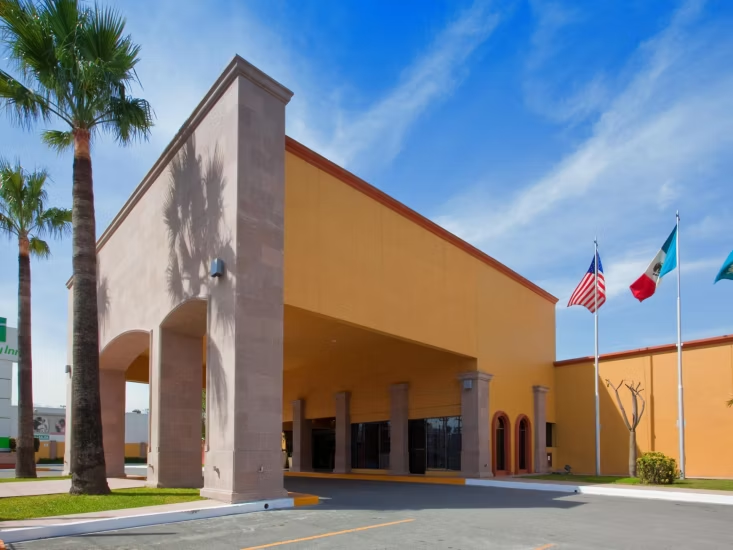
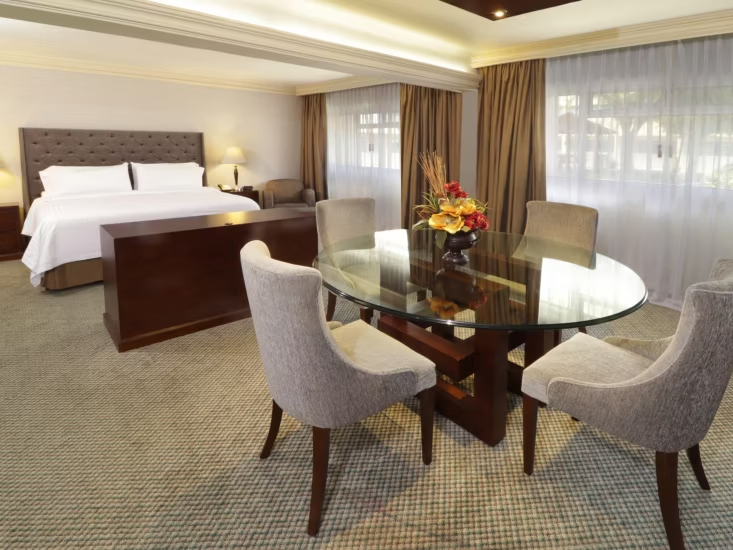
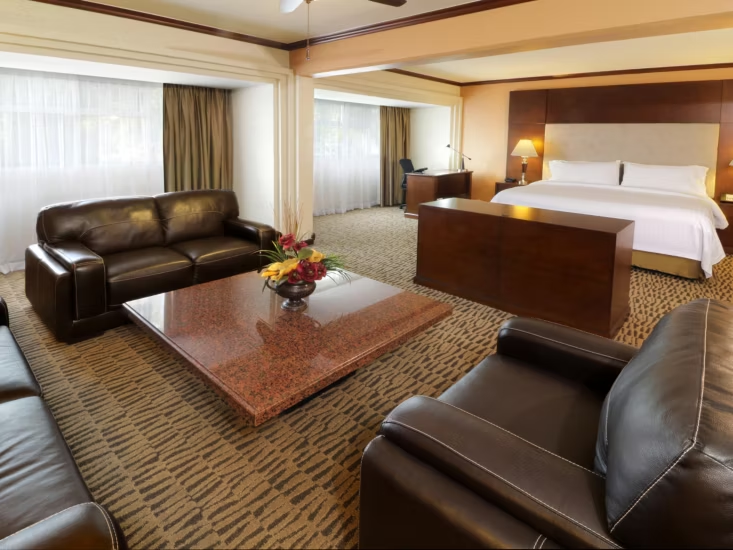
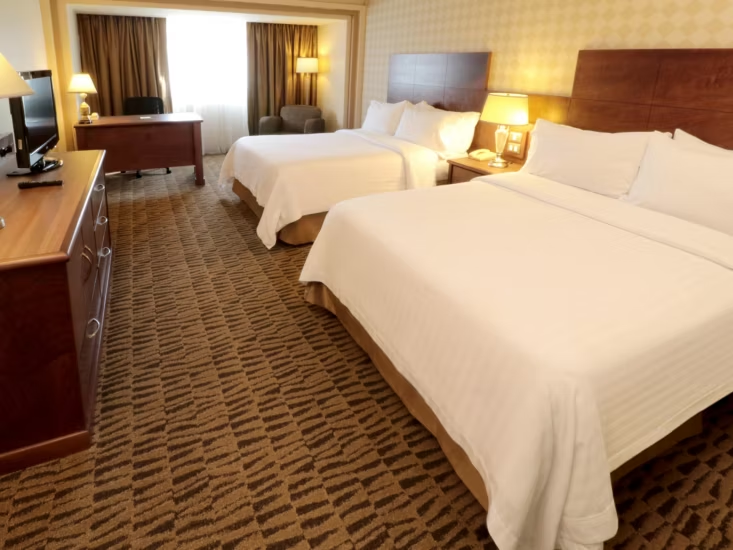
Hotel Holiday Inn
CÓDIGO DE RESERVACIÓN
CONGRESO NACIONAL DE CONTROL AUTOMATICO 2026
Servicios Incluidos
- Internet de alta velocidad gratuito
- Restaurante internacional
- Alberca al aire libre
- Canchas de Tennis
- Room Service
- Lobby Bar
Información de Contacto & Reservas
Dirección: Av. Universidad 101 Nte., Col. Anáhuac, San Nicolás de los Garza, N.L.
Teléfono: (81) 85158-00-14
Contacto: Jennifer Vielma
E-mail: ventas4@mtymx.com.mx
Opciones alternativas próximas a la UANL Ciudad Universitaria
| Hotel | Dirección | Ubicación | Enlace Directo |
|---|---|---|---|
| Wyndham Garden Monterrey Norte | Av. Universidad Norte / Col. El Roble | Google Maps | Ver Sitio |
| City Express by Marriott Monterrey Universidad | Av. Alfonso Reyes / Col. Regina | Google Maps | Ver Sitio |
| MBM Red Sun Hotel | Av. Alfonso Reyes / Parque Niños Héroes | Google Maps | Ver Sitio |
| Sleep Inn Monterrey Norte | Av. Universidad Norte / Col. Chapultepec | Google Maps | Ver Sitio |
Cuotas de recuperación
| Profesional | Anticipada (hasta el 6 de septiembre) | Regular (después del 6 de septiembre) |
|---|---|---|
| Profesional AMCA | 4,500.00 MXN | 5,000.00 MXN |
| Estudiante | 2,600.00 MXN | 3,000.00 MXN |
| Oyente | 1,160.00 MXN | 1,500.00 MXN |
| Página Extra | $1000 | |
| Artículo Extra | $2000 |
Categorías
| Profesional AMCA | Persona con membresía vigente en AMCA dedicada a la docencia a nivel superior, la investigación o cualquier actividad en el sector público y/o privado. Cada inscripción podrá registrar dos artículos |
| Estudiante | Estudiante con artículo aceptado. Cada inscripción podrá registrar un artículo |
| Oyente | Estudiante sin artículo. |
Procedimiento para el pago
El pago de la inscripción se podrá realizar a través de la siguientes modalidades:
Depósito en la cuenta de la AMCA, ya sea en ventanilla o transferencia interbancaria (inscripciones, trabajos adicionales y páginas adicionales).
Banco: BBVA Bancomer
No. de Cuenta: 0172834464
A nombre de: Asociación de México de Control Automático
CLABE: 012180001728344641
CONCEPTO: CNCA26 XXX (XXX corresponde a su número de manuscrito). Si no tiene manuscrito el concepto será CNCA26 SIN.